
In brief
Access to the crop no longer decides success. Ownership does.
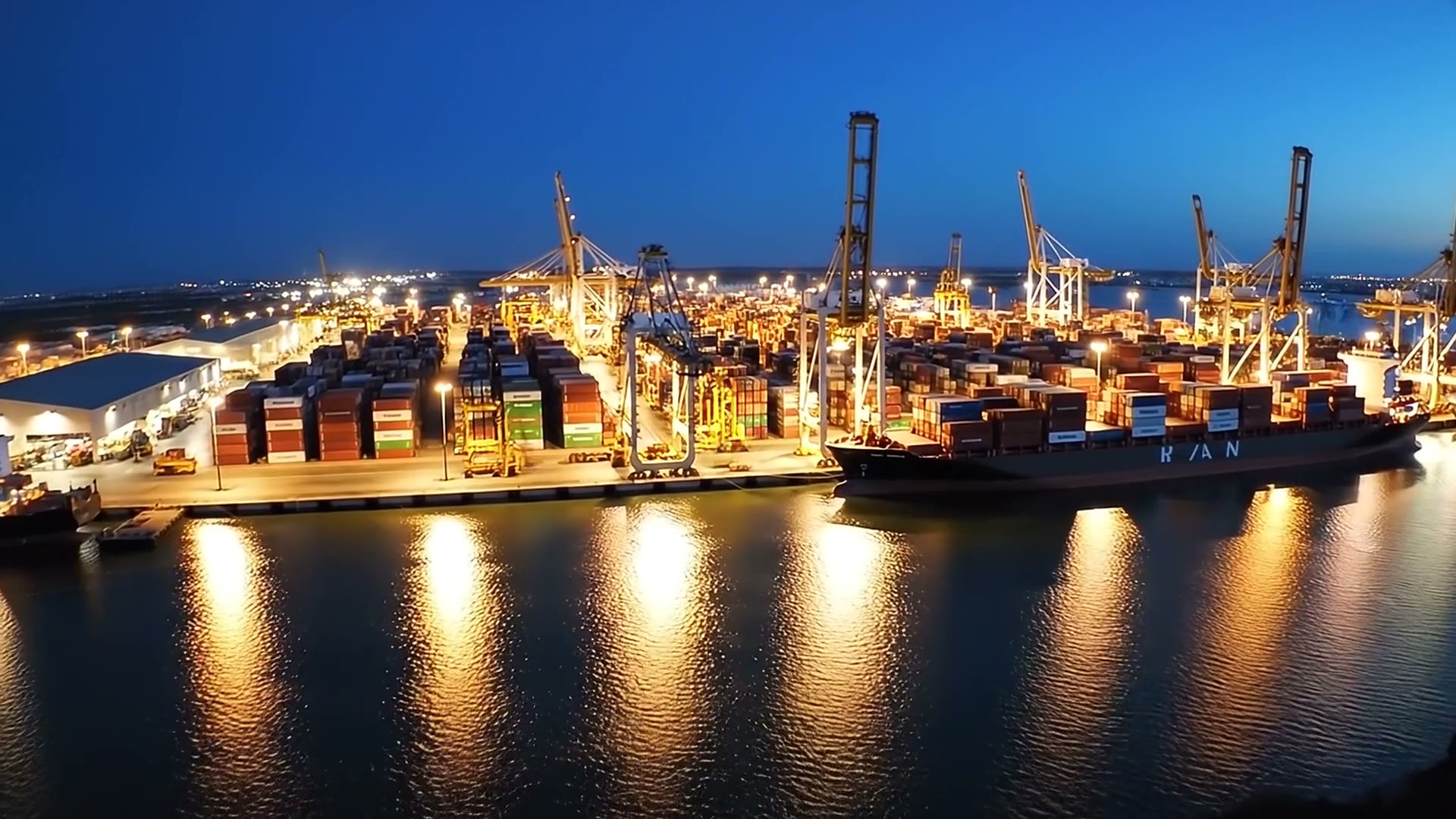
A small number of companies decide how African fertiliser, grain, cotton, cocoa, coffee, cashew and sesame reach markets. They finance farmers, distribute inputs, own warehouses and port terminals, and increasingly process crops at origin.
This paper maps the twelve companies that matter, the capabilities that keep new entrants out, and the shift in ownership now under way, as capital from the Gulf and Asia buys into the houses that move Africa’s harvest.
It closes with the forces that will shape the decade, three scenarios, and what each means for governments, buyers and farmers.
Written for agribusiness, governments, development-finance institutions and global buyers.
The film
Watch the film
A short documentary on the paper’s findings, narrated in English.
Pressing play loads the film from YouTube.
What the paper covers
Six chapters, from the farm gate to the boardroom.
The paper moves from the structure of the market to the companies, the capital behind them, the commodities and the outlook for the decade.
- 01The marketThree tiers, eight capabilities and the real barrier to entry.
- 02The companiesThe twelve that matter, from integrated operators to crop-nutrition specialists.
- 03The capital shiftGulf, Asian and African ownership.
- 04The commoditiesFertiliser’s battleground and cocoa’s volatility.
- 05Geography and integrationWhere the gatekeepers overlap, and the AfCFTA constraint.
- 06OutlookFive forces, three scenarios and what they mean.
Scenarios for the decade
Three ways the consolidation can unfold.
Managed Consolidation
Ownership deepens; value addition advances steadily
The full scenarios and the catalysts to watch in the paper
Integration Dividend
Regional trade matures faster; African champions gain
The full scenarios and the catalysts to watch in the paper
Volatility Trap
Costs rise and concentration hardens
The full scenarios and the catalysts to watch in the paper
Questions this paper answers
What readers ask first.
Who controls Africa’s agricultural trade?
A small group of integrated operators, global trading houses and crop-nutrition specialists. The paper profiles the twelve that matter and what makes their position hard to challenge.
Why does ownership matter more than access to the crop?
Because the barrier to entry is the network: farmer finance, storage, processing and logistics. Owned assets keep gaining value as long as moving goods within Africa stays expensive.
Who is buying into Africa’s agricultural supply chains?
Sovereign and strategic capital from the Gulf and Asia, alongside African groups expanding in fertiliser. The paper sets out the transactions and what they signal.
Cite this paper
FurtherMarkets (2026). Africa’s Agri Gatekeepers. Special Report, July 2026. Further Markets Technologies Ltd.
Sources include company statements, USGS, Afreximbank, tralac, industry associations and trade press.
The companies, the capital and the scenarios are in the report.
Free, in English.