
In brief
One climate shock, seven markets, three different kinds of damage.
A very strong El Niño is forming over the Pacific, and its effects on Africa will not be uniform. This FurtherMarkets paper scores seven Sub-Saharan markets, South Africa, Kenya, Tanzania, Zambia, Mozambique, Ghana and Nigeria, on four measures of exposure: cereal yield, agriculture’s share of the economy, dependence on hydropower and logistics performance.
It finds that Mozambique and Nigeria carry the heaviest combined exposure, while South Africa and Ghana show the least structural vulnerability on food production. Mozambique stands out, with the lowest cereal yield in the group and a grid that draws most of its power from water.
The paper then sets out what could change that picture, including strong 2026 harvests in South Africa and Zambia, and the signposts that will show which way the 2026/27 season is going.
Written for agribusiness operators, commodity traders and development-finance institutions.
From the scorecard · one of four pillars
How much grain each market grows per hectare
Cereal yield · kg per hectare · 2024
Source: World Bank, World Development Indicators (FAO data), 2024.
The film
Watch the film
A short documentary on the paper’s findings, narrated in English.
Pressing play loads the film from YouTube.
What the paper covers
Five chapters, from the Pacific to the price of food.
Each chapter ends with what it means for business. The paper closes with the five forces at work, three scenarios, the signposts to watch and actions for each kind of reader.
- 01The signal and its African shapeWhy one Pacific event produces different hazards in different parts of Africa.
- 02Agricultural output at riskStrong 2026 harvests meet a 2027 drought risk.
- 03Power grids under drought stressWhat a dry season does to grids that run on water.
- 04East Africa: floods and logisticsThe corridors most exposed when the rain comes too hard.
- 05Food inflation and the commercial transmissionHow weather turns into prices, market by market.
Scenarios to the end of 2027
Three ways the season can unfold.
Localised Southern Shock
Two markets or fewer under stress
Probability, triggers and signposts in the paper
Dual-Corridor Disruption
Three to four markets under stress
Probability, triggers and signposts in the paper
Broad Multi-Market Stress
Southern, eastern and western Africa at once
Probability, triggers and signposts in the paper
Questions this paper answers
What readers ask first.
Which African markets are most exposed to El Niño in 2027?
On the paper’s four-pillar scorecard, Mozambique and Nigeria carry the heaviest combined exposure, while South Africa and Ghana show the least structural vulnerability on food production. The paper ranks all seven markets in three tiers.
Why is Mozambique’s power supply at risk?
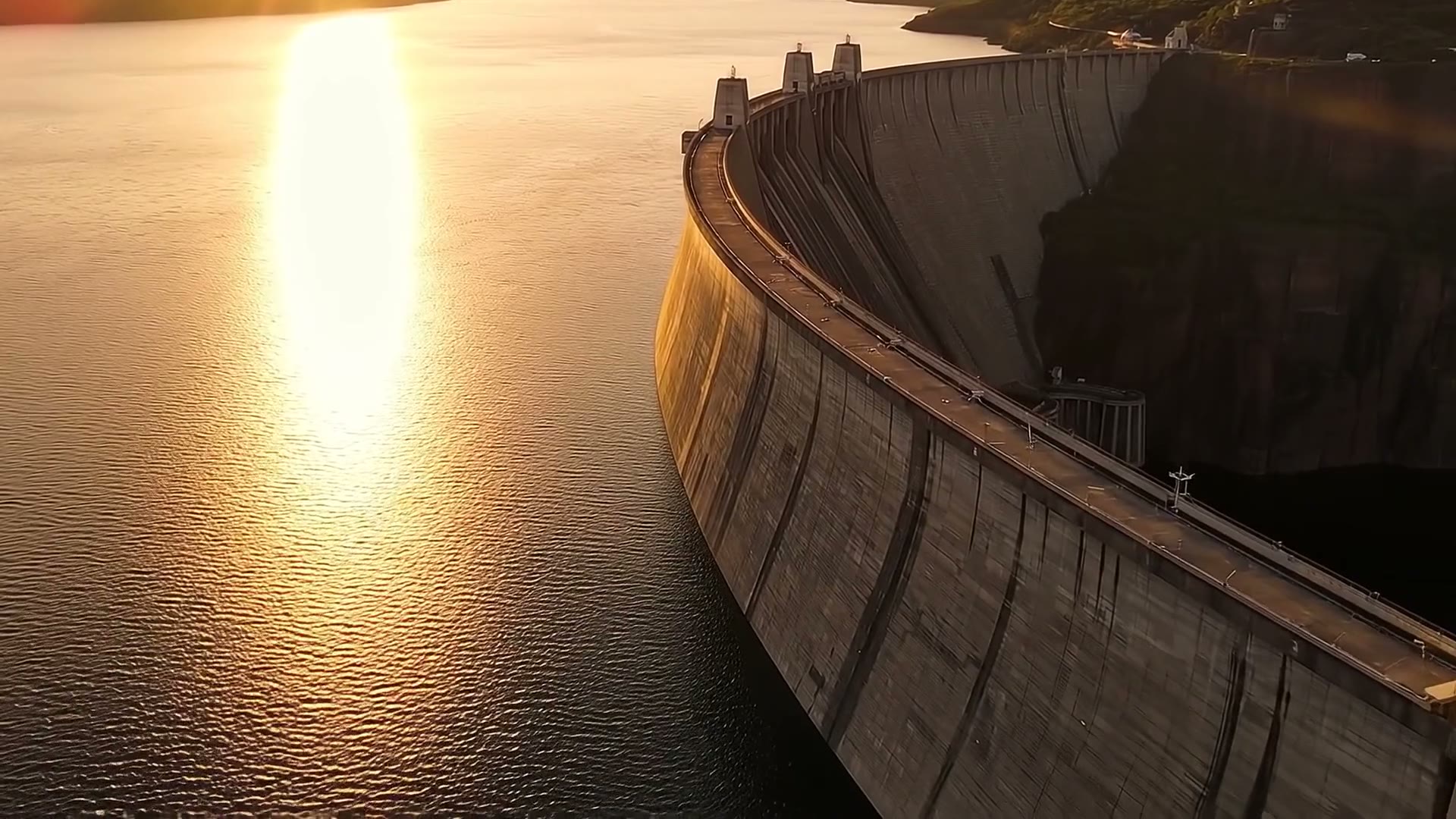
Hydropower supplied 83% of Mozambique’s electricity in 2024, according to the World Bank, so a rainfall deficit turns quickly into pressure on the grid. Zambia, at 78.5%, faces the same risk.
Could the 2026 harvest soften the shock?
Possibly. Above-average 2026 harvests in South Africa and a record maize crop in Zambia may cushion prices before 2026/27 losses reach the market. The paper sets out when that cushion runs out.
What should companies and lenders watch?
NOAA’s January–March 2027 El Niño assessment, FAO’s cereal balance for southern Africa and Mozambique’s monthly food-inflation release. The paper explains what each reading would mean.
Cite this paper
Scala, F. (2026). Africa’s El Niño Fault Lines. FurtherMarkets Insight Paper, version 1.1, October 2026. Further Markets Technologies Ltd.
Sources include NOAA, WMO, FAO, the World Bank, USDA, ZESCO, Tanzania’s Ministry of Finance and the Ghana Statistical Service.
The scorecard, the tiers and the scenarios are in the paper.
Free, in English and ten other languages.